

Did you know that your home’s design can directly affect your mood, stress levels, and comfort? Research shows that cluttered or visually unbalanced spaces can increase anxiety, while well organized environments improve mental well being and productivity. This is one reason why some homes instantly feel calm and luxurious, even without expensive furniture, while others appear messy despite high budgets.
The real difference is not money, but proportion and visual balance, and this is exactly where the 70/30 rule in interior design comes in. Professional designers use this interior design proportion rule to create harmonious spaces by balancing dominant elements with contrasting accents, resulting in a premium and well styled look.
Understanding this simple yet powerful principle can help you achieve a luxury interior feel, better space planning, and visual harmony in your home without overspending.
What is the 70/30 Rule in Interior Design?
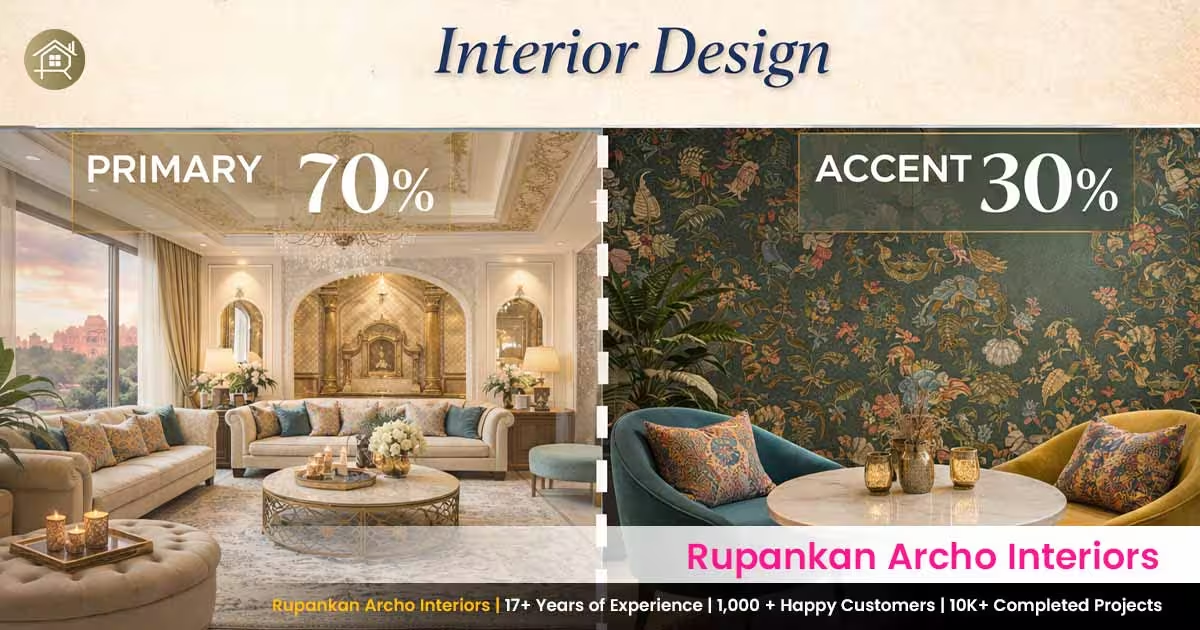
The 70/30 rule in interior design is a simple proportion principle used by professional designers to create visual balance and harmony in a space. According to this rule, approximately 70% of a room should include dominant elements such as the main color palette, furniture or materials while the remaining 30% should consist of contrasting or accent features that add personality and visual interest.
In practical terms, the 70% usually comes from large surfaces like walls, flooring, sofas, wardrobes and curtains, while the 30% includes décor items, accent chairs, artwork, lighting fixtures, cushions or decorative accessories.
Simple Example of the 70/30 Interior Design Rule
| Element | 70% (Dominant) | 30% (Accent) |
| Colors | Neutral shades | Bold or contrast colors |
| Furniture | Main sofa & storage | Accent chair or décor |
| Materials | Wood or matte finishes | Metal, glass, or texture |
| Style | Modern base | Vintage or statement pieces |
The main objective of the 70/30 rule is to achieve visual harmony in interiors by maintaining consistency while introducing controlled contrast. This balance is what makes a home look professionally designed, comfortable, and visually appealing without overwhelming the space.
The Psychology Behind Why the 70/30 Rule Works
The effectiveness of the 70/30 rule in interior design is not just about aesthetics, it is strongly connected to human psychology and how our brain processes visual information. People naturally feel more comfortable in spaces that have order, predictability, and balanced contrast, which is why interior design balance plays a crucial role in creating a relaxing and luxurious environment.
Our brain prefers environments that include:
- Visual consistency
- Structured layout and proportion
- Controlled contrast between elements
- Areas of visual rest
When a room contains too many competing colors, textures, or furniture styles, the brain experiences what psychologists call cognitive overload. This can subconsciously increase stress and discomfort, making a space feel cluttered even if it is expensive. On the other hand, when around 70% of the space maintains a cohesive color palette, furniture style or material finish, it creates visual stability. The remaining 30% of accent elements then stands out more effectively, adding personality without overwhelming the room.
This is one of the reasons why the interior design proportion rule is widely used in luxury homes, premium offices, and hospitality spaces. Balanced environments help reduce mental fatigue, improve comfort perception, and enhance overall mood, which explains why professionally designed interiors often feel calm and inviting immediately. In simple terms, the 70/30 rule creates the perfect combination of visual harmony and contrast, allowing spaces to look elegant, intentional and professionally styled.
Good design is not about adding more, it’s about balancing what already exists.
How to Apply the 70/30 Rule Step by Step in Any Room
Applying the 70/30 rule in interior design may sound technical, but in reality, it is a simple and practical approach that anyone can use to achieve better interior design balance, visual harmony, and a professionally styled look. Whether you are decorating a living room, bedroom or kitchen, this interior design proportion rule helps you organize elements in a way that feels calm, elegant and intentional. Follow these easy steps to apply the rule successfully in your home.
Step 1: Choose Your Dominant Base (70%)
Start by identifying the elements that will make up the majority of your space. These usually include large surfaces and foundational features such as:
- Wall colors
- Flooring materials
- Main furniture (sofa, bed, wardrobe)
- Curtains and upholstery
- Large visual surfaces
Neutral or consistent tones work best for the 70% portion because they create a stable background and improve visual harmony in interiors. Designers often prefer shades like beige, cream, grey or soft pastels since they make rooms look spacious, balanced, and timeless.
Step 2: Select Accent Elements (30%)
Once your base is ready, you can introduce the remaining 30% through contrasting or decorative features that add personality and depth. These may include:
- Cushions and throws
- Artwork or wall décor
- Decorative accessories
- Lighting fixtures
- Accent chairs or stools
- Rugs and statement pieces
This 30% portion creates visual interest and helps avoid monotony. It is also where you can experiment with bold colors, textures, or materials to enhance your home styling and interior design aesthetics.
Step 3: Repeat Accent Colors for Harmony
One of the most important professional interior design tips is repetition. When accent colors or materials appear multiple times in a room, the design feels intentional rather than random.
For example:
- Cushions + painting + vase in the same color family
- Rug pattern + artwork tones + décor accessories
This repetition strengthens furniture balance in interior design and ensures the space looks cohesive and well planned. By following these three steps, you can easily use the 70/30 rule to create a space that feels balanced, stylish, and professionally designed without increasing your budget.
Applying the 70/30 Rule in Different Spaces
One of the biggest advantages of the 70/30 rule in interior design is its flexibility. This interior design proportion rule can be applied to almost any room whether it’s a living room, bedroom or kitchen to achieve better interior design balance, visual harmony, and a premium look. The key is to identify dominant elements (70%) and then add contrasting accents (30%) that enhance personality without overwhelming the space. Here’s how you can apply this principle in different areas of your home.
Living Room
The living room is often the first space guests notice, so maintaining proper furniture balance in interior design is essential.
70% (Dominant Elements):
- Sofa and main seating
- Wall colors or wall panels
- Curtains and upholstery
- Flooring or rugs covering large areas
30% (Accent Elements):
- Throw pillows and cushions
- Artwork or wall décor
- Accent chair or statement furniture
- Decorative objects and accessories
This combination creates a visually balanced space that feels comfortable and professionally styled.
Bedroom
In bedrooms, the 70/30 rule helps create a calm and relaxing environment while still adding personality through accents. Maintaining visual harmony in interiors is especially important here because it directly impacts comfort and sleep quality.
70% (Dominant Elements):
- Bed and headboard
- Wardrobe or storage units
- Wall colors and finishes
- Curtains and large textiles
30% (Accent Elements):
- Bedding and cushions
- Bedside lamps or lighting fixtures
- Decorative accessories
- Wall art or statement décor
This balance makes the bedroom feel cozy, organized, and aesthetically pleasing.
Kitchen
Even functional spaces like kitchens benefit from the interior design balance created by the 70/30 rule. It prevents the space from looking too plain while maintaining a clean and modern appearance.
70% (Dominant Elements):
- Cabinets and storage units
- Countertops
- Wall finishes or tiles
- Major appliances visually integrated into design
30% (Accent Elements):
- Backsplash design
- Cabinet handles and hardware
- Decorative accessories or plants
- Statement lighting
Common Mistakes People Make While Using the 70/30 Rule
While the 70/30 rule in interior design is simple to understand, many homeowners make small mistakes that affect interior design balance and overall visual harmony. Avoiding these errors can help your space look more polished and professionally styled.
1. Too Many Accent Colors
Adding multiple bold shades in the 30% portion can create visual confusion instead of contrast. For better color balance in interior design, limit accent colors to one or two coordinated tones.
2. Matching Everything
Using the same colour, material or style everywhere removes depth and makes the room look flat. The purpose of the interior design proportion rule is to create controlled contrast not uniformity.
3. Ignoring Scale and Proportion
Very small decor pieces in a large room often get lost visually. Maintaining proper furniture balance in interior design means choosing items that match the room’s size and proportions.
4. Overcrowding Furniture
Too many furniture pieces reduce negative space and disturb visual flow. A balanced layout with breathing space improves visual harmony in interiors and makes rooms appear larger and more comfortable.
When NOT to Use the 70/30 Rule in Interior Design
The 70/30 rule in interior design is a powerful guideline for creating balance and proportion, but it is not meant to be followed rigidly in every situation. Good design always depends on purpose, personality, and style preferences. You may avoid strict use of this interior design proportion rule in spaces where creativity and expression matter more than structured balance, such as:
- Eclectic interiors : where multiple styles, colors, and textures intentionally mix for a layered look.
- Maximalist design styles : which focus on richness, bold combinations, and visual abundance rather than minimal balance.
- Artistic or statement spaces : studios, feature rooms, or creative environments that prioritize uniqueness over harmony.
- Kids’ themed rooms : where fun, imagination and storytelling are more important than traditional interior design balance.
In these cases, flexibility works better than formulas. The goal of interior design is not to follow rules perfectly, but to create spaces that feel right for the people using them.
Benefits of Using the 70/30 Rule in Interior Design
Using the 70/30 rule in interior design is one of the simplest ways to achieve a luxurious, balanced and professionally designed home without increasing your budget. This interior design principle helps create the right mix of dominant elements and accent details, making spaces feel intentional rather than random.
Makes spaces look expensive : Proper design balance and proportion instantly create a premium, designer style appearance.
Creates visual balance : The right combination of 70% base and 30% accents improves overall interior harmony.
Reduces clutter perception : A structured layout makes rooms feel clean, organized and spacious.
Improves comfort feeling : Balanced environments support better visual comfort and relaxation.
Easier decorating decisions : Following a clear interior styling formula removes confusion when choosing colors and decor.
Works for any budget : Whether low-cost or luxury, this home interior design rule delivers effective results.
Quick Reference: 70/30 Rule in Interior Design
This quick guide helps you understand how to apply the 70/30 rule in interior design across different spaces. By balancing dominant elements (70%) with accent details (30%), you can achieve better home interior balance, space planning and visual harmony in any room.
| Area | 70% Focus (Dominant Elements) | 30% Accent (Highlight Elements) |
| Living Room | Sofa, walls, main furniture | Decor items, cushions, artwork |
| Bedroom | Bed, wardrobe, walls | Bedding, lamps, cushions |
| Kitchen | Cabinets, countertops | Hardware, backsplash, accessories |
| Office | Desk, walls, storage | Art, decor accessories, lighting |
Conclusion
If you want your home to look refined, balanced, and professionally designed without overspending, applying the 70/30 rule in interior design is a great starting point. This simple principle helps improve visual harmony, furniture balance and overall interior aesthetics in any space.
Frequently Asked Questions (FAQs) – 70/30 Rule in Interior Design
Is the 70/30 rule only for colors?
No. The 70/30 rule in interior design applies to furniture placement, materials, textures, lighting, and interior styles. It helps create the right design balance, space planning and home decor harmony for a premium look.
Can I use different ratios in home design?
Yes. Professional interior designers sometimes use 60/40 or 80/20 interior design ratios depending on room size, layout and functionality. The goal is always visual balance and proportion in interiors.
Does this rule work in small homes or apartments?
Absolutely. In fact, the 70/30 interior design rule for small spaces makes rooms look bigger, more organized and clutter free by focusing on dominant elements and minimal accents.
Is it expensive to follow the 70/30 rule?
No. This rule works for low budget interior design as well as luxury projects because it focuses on smart planning, not spending more money.
What is the 70/30 rule in interior design?
It is a professional design principle where 70% of the space is dominated by primary elements (furniture, walls, main colors) and 30% is used for accents (decor, lighting, textures) to create balance.
Why do professionally designed homes look better?
Because experts follow interior design principles like proportion, symmetry, and space optimization, instead of random decoration.
How do I make my home look luxurious on a budget?
Use balanced colors, proper lighting, space planning, and minimal clutter, the same techniques used by professional interior designers.
About the Experts
If you are looking for the best interior designer in Jaipur or India, Rupankan Archo Interiors brings 17+ years of experience with 1000+ happy clients, specializing in residential interiors, luxury home design, Vastu planning and turnkey solutions. Their expert approach focuses on functionality, aesthetics and long lasting quality to create dream spaces.
Guided by our mentor Sonam Jain, who brings 17+ years of expertise and 10,000+ successfully completed projects, the company follows a client first approach with strong attention to detail, creativity and quality execution, making thousands of homeowners happy with beautifully designed spaces.